


The Intel Mac Trade-In Window Is Closing. Here’s Why the Next 90 Days Matter for Your Fleet.
Two things happened in the past few weeks that every business running Intel Macs should know about.
First, Apple raised Mac prices on June 25 — significantly. The MacBook Air jumped $200, the MacBook Pro climbed $300, and the Mac Studio absorbed a $500 increase overnight. Tim Cook called the memory shortage driving those increases a “hundred-year flood” and made clear that relief isn’t coming anytime soon.
Second, macOS 27 Golden Gate — confirmed at WWDC 2026 and arriving this September — will run exclusively on Apple Silicon Macs. Every Intel Mac that made it through macOS 26 just hit its last major OS release.
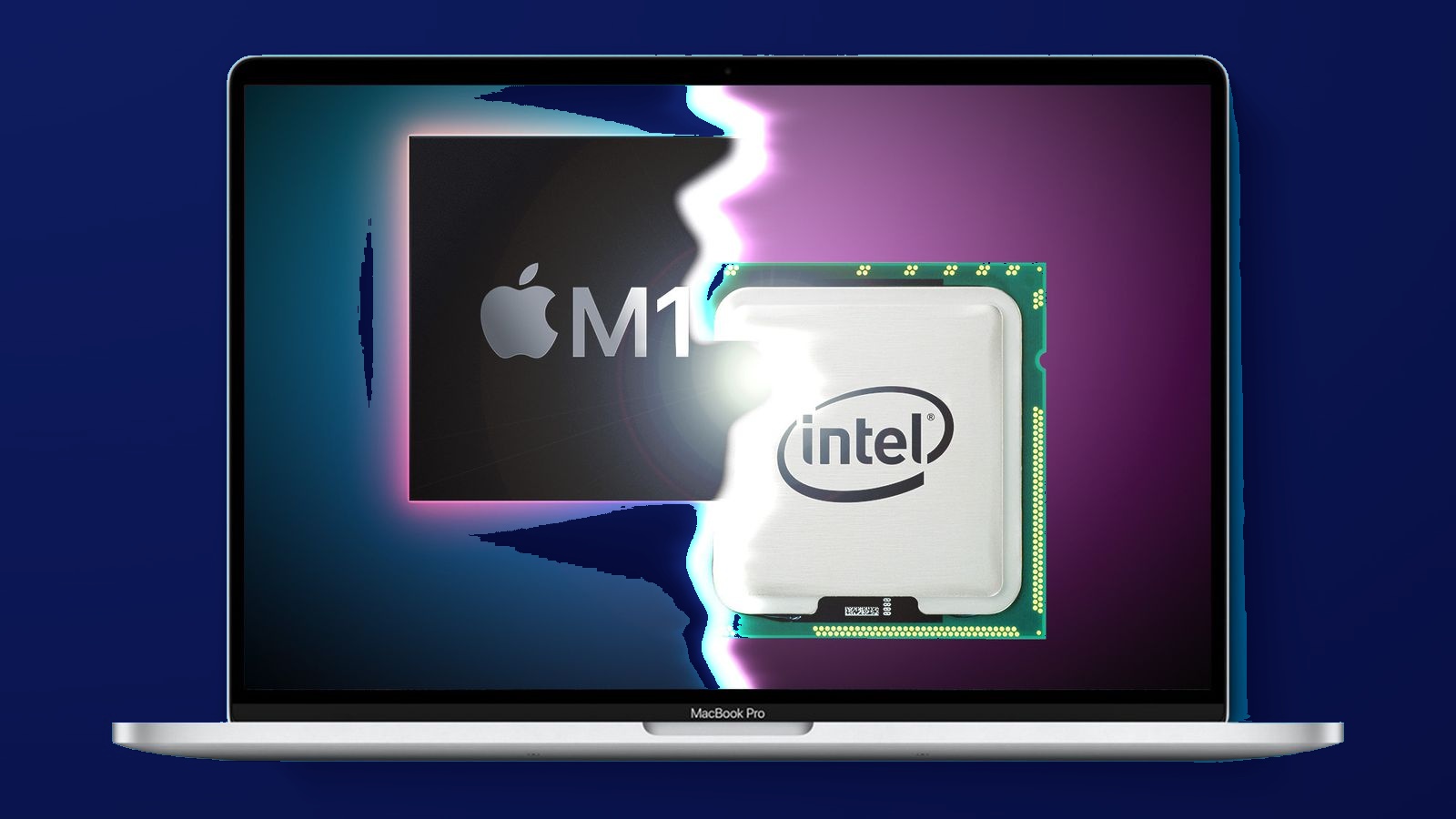
Put those two facts together and you have a very specific, very time-limited situation: Intel Macs in your fleet are worth real money right now, prices on replacement Apple Silicon hardware have already moved up, and the September macOS 27 release will signal to the broader resale market that Intel’s era is officially over. Once that signal lands, trade-in values on Intel hardware will follow it down.
The window to act on favorable terms is roughly 90 days. Here’s how to think about it.
What “End of Major OS Support” Actually Means for Intel Macs
Let’s be precise about what macOS 27 dropping Intel support actually means day-to-day, because it matters for your planning timeline.
Intel Macs running macOS 26 won’t stop working in September. They’ll continue to receive security patches for some time after the major version cutoff — Apple’s historical pattern has been two to three years of security-only updates after a Mac falls off the major release train. So an Intel MacBook Pro running macOS 26 isn’t a paperweight next month.
What does change immediately:
No macOS 27 features. Everything Apple announced at WWDC 2026 — Siri AI, the rebuilt Apple Intelligence layer, new developer frameworks, iOS 27 Continuity improvements, Platform SSO with mandatory Touch ID — none of it runs on Intel. Your Intel fleet stays frozen at the macOS 26 feature set while the rest of the Apple ecosystem moves forward.
Growing compatibility gaps. App developers build for the current OS. As macOS 27 becomes the baseline expectation, apps will start requiring it — first slowly, then faster. Business-critical software that runs fine today may start surfacing compatibility warnings within 12 to 18 months.
MDM and security policy drift. If your organization runs Jamf or another MDM platform, the new declarative device management (DDM) capabilities in macOS 27 won’t be available to Intel devices. That means your compliance posture and management feature set will increasingly diverge between Intel and Apple Silicon machines in the same fleet — which creates real administrative overhead.
Accelerating resale value decline. The resale market for Intel Macs has already been softening since the Apple Silicon transition began. The macOS 27 announcement will accelerate that decline. Every month you wait to trade in is a month closer to the floor.
Why the Price Increase Actually Changes the Math
Here’s the counterintuitive part: the June 25 Mac price increase makes the case for acting now stronger, not weaker.
The instinct many IT managers have is to delay purchases when prices go up — wait and see if the market corrects. But Gartner forecasts no meaningful relief in memory and storage chip prices until late 2027, and Apple CEO Tim Cook has been explicit that the current situation is not a brief spike. The price you’re looking at today on a MacBook Air or MacBook Pro is likely the floor, not the ceiling, for the next 12 to 18 months.
What that means for a fleet refresh calculation:
- Replacement hardware costs are up, and staying up
- Intel Mac trade-in values are still holding at reasonable levels — for now
- Waiting six months gets you the same higher hardware prices with lower trade-in credit offsetting them
The gap between today’s trade-in value and tomorrow’s is what makes the next 90 days actionable. A two-year-old Intel MacBook Pro that fetches a meaningful trade-in credit today will fetch less after September, and even less after the broader resale market has a full quarter to absorb the news.
How to Audit Your Intel Mac Exposure in a Weekend
Before you can make a plan, you need a clear picture of what you’re actually working with. Here’s a practical approach:
Step 1: Pull your device inventory. If your fleet is managed through Jamf, you already have this — run a smart group filter on chip architecture and get a count of Intel vs Apple Silicon devices by model and year. If your fleet isn’t centrally managed, now is a good time to fix that problem at the same time you address the Intel question.
Step 2: Segment by age and role. Not all Intel Macs are equal. A 2020 Intel MacBook Pro used by an employee for light document work has a different risk profile than a 2019 Mac Pro running heavy creative workloads. Segment by purchase year, model, and the criticality of the apps running on each machine.
Step 3: Identify the highest-value trade-in candidates. Intel Macs in good physical condition with moderate specs tend to get the best trade-in returns. If you have late-model Intel machines (2020–2021) in solid shape, those are your priority candidates before the value slides further.
Step 4: Match replacements to roles. Apple’s current Apple Silicon lineup covers every business use case. The MacBook Neo handles everyday productivity at a lower price point, the MacBook Air handles the broadest range of business tasks, and the MacBook Pro covers demanding workflows. The right replacement isn’t always the most expensive one.
Where DFC Fits In
This is exactly the kind of transition Digital Fix Consulting was built to manage. We handle every stage of the Mac lifecycle — from procurement through end-of-life — and we’ve done it at scale for organizations like Highmark Health and Allegheny Health Network.
Here’s how each of our services maps to the Intel transition:
Trade-In Program: We offer top dollar for aging Apple devices, with secure data erasure included. You get a clear valuation, cash or credit toward new hardware, and the peace of mind that your sensitive business data has been properly wiped before the device leaves your hands. For fleet-scale trade-ins, we handle the logistics so your IT team doesn’t have to coordinate device collection, evaluation, and disposal on top of everything else.
Product Purchasing: As an Apple Authorized Reseller, we source new and certified refurbished Apple Silicon Macs directly — no distributor in the middle, which means faster delivery and more flexible configuration. Devices can be pre-assigned to users and configured before they ship, so employees receive a machine that’s ready to use the moment it arrives.
Financing: If a full fleet refresh feels like a large upfront commitment given where Mac prices are right now, DFC’s financing program spreads the cost across predictable monthly payments. You get the latest Apple Silicon hardware, Jamf device management, and AppleCare protection bundled into one manageable cost — and you stay current as the Apple platform evolves without a large capital outlay every three to four years.
Zero-Touch Deployment via Apple Business Manager: Every replacement Mac we source gets enrolled in Apple Business Manager before it ships. That means a new employee’s MacBook arrives at their door pre-configured — apps installed, security settings applied, company resources accessible from the first login — with no IT hands-on required. For a fleet refresh touching dozens or hundreds of machines, this alone saves significant IT time.
Jamf MDM Management: Once your fleet is on Apple Silicon and enrolled, Jamf gives you centralized visibility and control over every device — software updates, security compliance, app management, and the new macOS 27 DDM capabilities that Intel devices can’t access. If your organization isn’t running Jamf yet, a fleet refresh is the right moment to bring it in alongside the new hardware.
Mac Support: Throughout the transition, our certified Apple technicians are available for hands-on support — software issues, hardware questions, and the kind of migration edge cases that always come up when you’re moving a real fleet in a real business environment.
The Practical Timeline
Here’s a simple frame for the next 90 days:
Now through end of July: Audit your Intel fleet, identify your highest-value trade-in candidates, and get trade-in estimates while values are still favorable. Contact DFC for a fleet assessment — we can help you prioritize which machines to move first.
August: Source replacement hardware, configure Apple Business Manager enrollment, and begin staged rollout. Starting with your highest-priority roles lets you work out any deployment wrinkles before the broader fleet transition.
Before September: Complete the bulk of your transition before macOS 27 launches. New machines arrive on Apple Silicon, enrolled, and managed. Intel machines are out the door and generating trade-in credit.
September onward: Your fleet is on Apple Silicon, eligible for macOS 27 features, and fully managed under a unified MDM policy. You’ve captured Intel trade-in value before the market absorbed the OS deprecation news, and your hardware budget is funded in part by the machines you replaced.
The Bottom Line
Intel Mac support isn’t ending tomorrow. But the financial and operational case for managing an aging Intel fleet gets weaker every quarter — and the window to offset replacement costs with strong trade-in credit is open right now, not indefinitely.
If you have Intel Macs in your fleet and haven’t started thinking about the transition timeline, July is the right month to start. The combination of a September OS deprecation signal and already-elevated replacement hardware prices means the math doesn’t get more favorable with time.
Digital Fix Consulting can handle this end-to-end — trade-in valuation, replacement sourcing, zero-touch deployment, and ongoing fleet management once the transition is complete. We’ve done it for some of Pittsburgh’s largest health systems. We can do it for your team too.
Schedule a free fleet assessment →
Digital Fix Consulting is a Pittsburgh-based Apple Authorized Reseller specializing in end-to-end Apple device management for businesses of all sizes. From trade-in and purchasing to Jamf MDM management and zero-touch deployment, we handle the full Mac lifecycle so you don’t have to. Learn more or get in touch to start your fleet assessment.