

Apple-First IT Trends We’re Seeing Continue Into 2026
What Modern Businesses Are Prioritizing in Apple Device Management
As organizations plan for 2026, many Apple-first businesses are taking a step back to evaluate what’s actually working—and what needs to evolve.
The conversations sound familiar:
“We’re hiring.”
“We’re still remote.”
“We want fewer IT surprises next year.”
Rather than chasing new tools, companies are refining the systems they already rely on. The trends below aren’t passing fads—they’re patterns we see continuing well into 2026 as Apple environments mature and expectations rise.
Remote and Frontline Teams Will Continue to Drive IT Decisions
Remote work and distributed teams are no longer transitional phases. As we move into 2026, Apple-first businesses are designing IT strategies around the assumption that employees may work from anywhere—often on devices that never touch the office network.
This reality is pushing organizations toward:
-
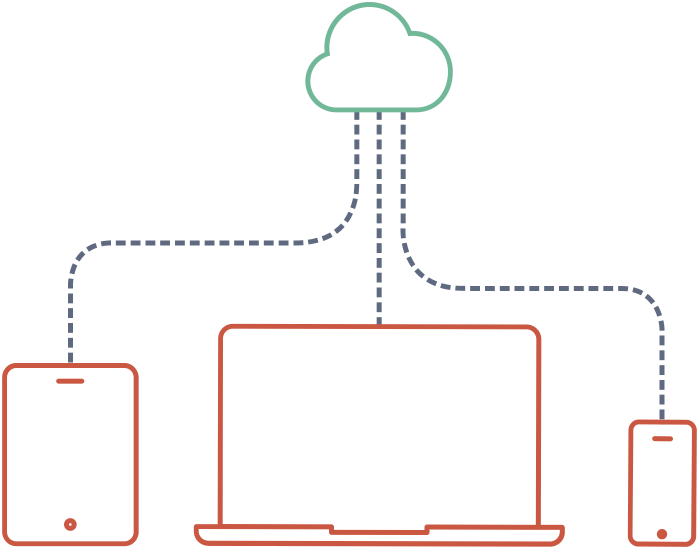
Centralized Apple device management
-
Secure remote onboarding and offboarding
-
Devices that can be deployed, secured, and supported without hands-on setup
Flexibility isn’t optional anymore—it’s foundational.
Jamf Adoption Will Keep Accelerating
As teams scale, manual Apple device management simply doesn’t hold up. Heading into 2026, more organizations are formalizing their approach by adopting dedicated Apple MDM solutions.
Jamf continues to stand out because it allows IT teams to manage devices proactively while preserving the Apple experience employees expect. The trend we see continuing is clear: businesses want visibility and control without creating friction for end users.
This shift reflects a broader move toward IT systems that support growth quietly, in the background.
Longer Apple Device Lifecycles Are Becoming the Norm
Rather than replacing devices more frequently, Apple-first organizations are extending device lifecycles through better management practices.
As we move into 2026, this approach is becoming standard. Consistent updates, monitoring, and security controls keep Macs productive and secure for longer periods of time—reducing waste and improving budget predictability.
Longer lifecycles aren’t about cutting corners; they’re about managing technology responsibly.
Security Will Remain a Non-Negotiable Priority
Security expectations continue to rise, especially as devices operate off-network and teams remain distributed.
Looking toward 2026, Apple-first businesses are prioritizing proactive security measures such as:
- Enforced operating system updates
- Strong access controls
- Clean employee offboarding
- Protecting company data without disrupting workflows
The focus is shifting away from reactive fixes and toward security frameworks that are built in from day one.
IT Infrastructure Planning Will Replace Break-Fix Thinking
One of the most important trends we see continuing into 2026 is a change in mindset.
Rather than relying on reactive, break-fix IT support, Apple-first businesses are investing in long-term infrastructure planning. IT is increasingly treated as a core business system—planned, documented, and aligned with growth goals.
This shift leads to fewer emergencies, better user experiences, and technology that scales alongside the organization.
What These Trends Mean for 2026 and Beyond
Apple-first businesses are entering a more mature phase of IT planning. The emphasis is no longer on quick fixes or short-term solutions—it’s on creating stable, secure, and people-centered systems that last.
As we head into 2026, the organizations that thrive will be the ones that treat Apple device management as infrastructure, not an afterthought.
These trends aren’t about doing more—they’re about doing things well.